




Organising Chair

Organising Secretary

Joint Secretary

Scientific Committee Lead

Treasurer

Communication Lead

Hospitality/ Logistic Lead
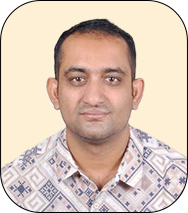
Registration Lead

Associate Professor
Institute of Medicine
(Scientific)

Associate Professor
Lumbini Medical College
(Scientific)
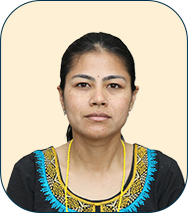
Associate Professor
Nepalese Army Institute of Health Sciences
(Scientific)

Assistant Professor
Institute of Medicine
(Scientific)

Assistant Professor
Kathmandu University School of Medical Sciences
(Scientific)

MD Resident College of Medical Sciences
(Scientific)

Community Physician
(Registration)

MD Community Medicine Resident
Kathmandu Medical College
(Registration)

MD Community Medicine Resident
BPKIHS
(Registration)

MD Community Medicine Resident
College of Medical Sciences
(Communication)

MD Community Medicine Resident
Kathmandu University School of Medical Sciences
(Communication)
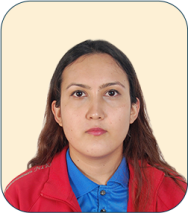
MD Community Medicine Resident
Nobel Medical College Teaching Hospital
(Communication)

MD Community Medicine Resident
Kathmandu University School of Medical Sciences
(Hospitality/ Logistic)

MD Community Medicine Resident
Nepal Medical College and Teaching Hospital
(Hospitality/ Logistic)

MD Community Medicine Resident
BPKIHS
(Hospitality/ Logistic)

Research Assistant
RISK-E-SCAPE Project, KUSMS
(Hospitality/ Logistic)

Research Assistant
RISK-E-SCAPE Project, KUSMS
(Hospitality/ Logistic)

Senior Consultant PHC & Disaster Management, University of Mahsa
Chairman of Disaster Management Committee, Malaysia Red Crescent Society

General Practice and Emergency Medicine
KUSMS/ Dhulikhel Hospital
Senior Consultant, Emergency Medicine and Trauma Hospital Sultanah Bahiyah, Alor Star,Kedah, Malaysia
MD Community Medicine
KUSMS/ Dhulilkhel Hospital

General Practice and Emergency Medicine
Kathmandu Medical College

Orthopedics and Traumatology
KUSMS/ Dhulikhel Hospital
General Practice and Emergency Medicine
KUSMS/ Dhulikhel Hospital

General Practice and Emergency Medicine
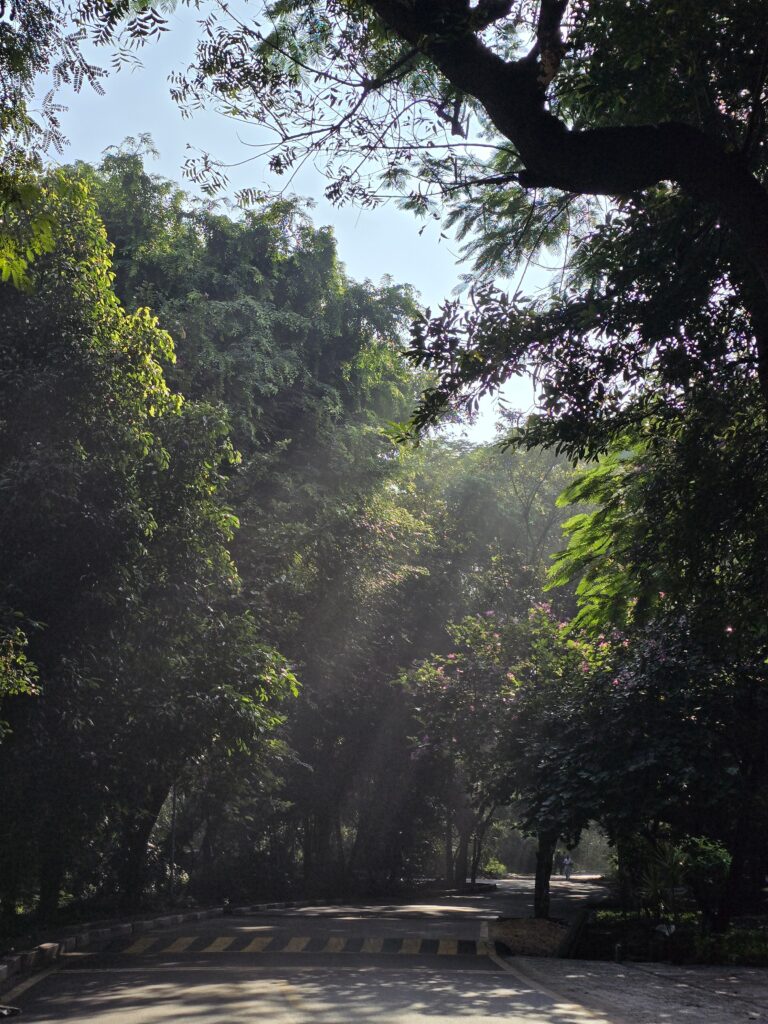
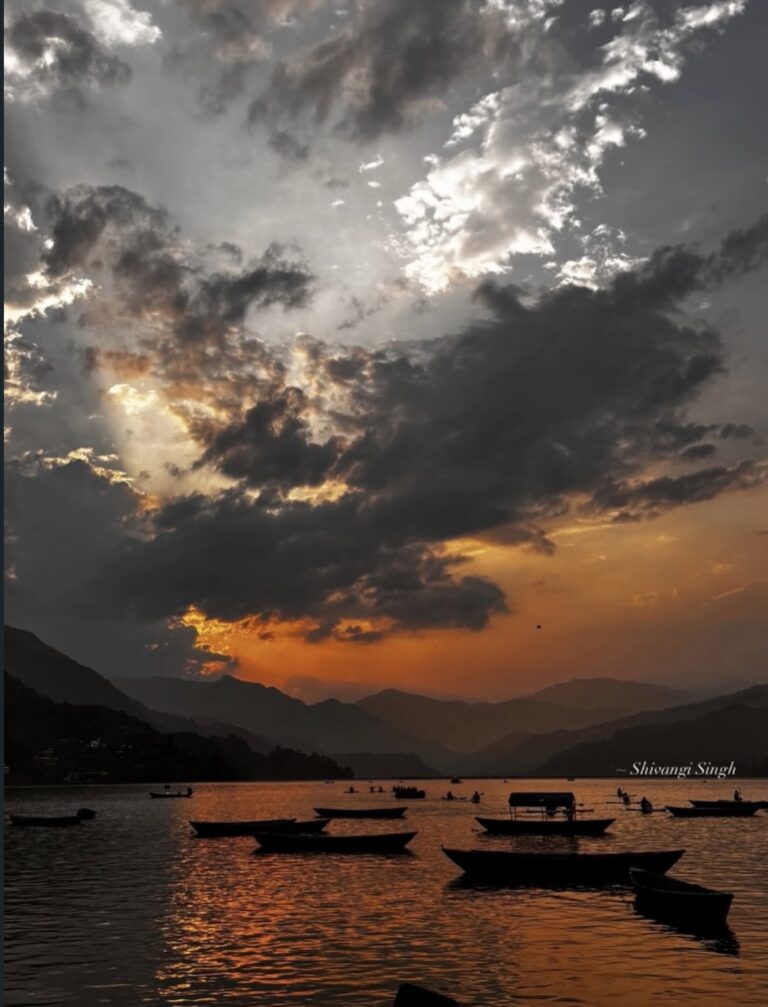
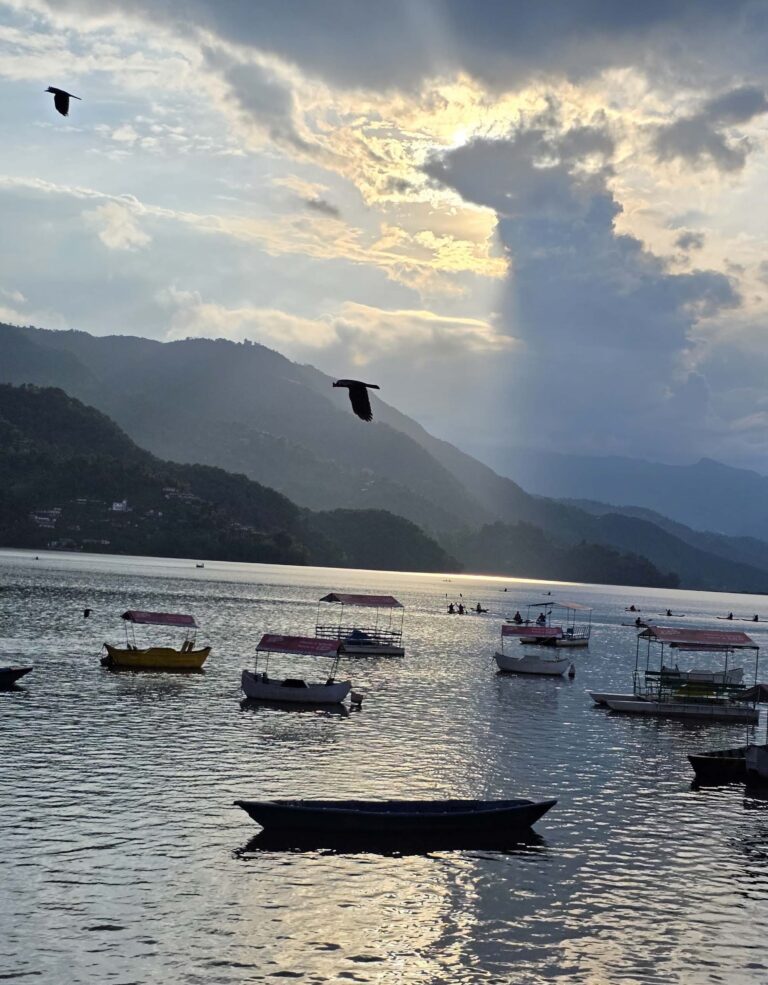
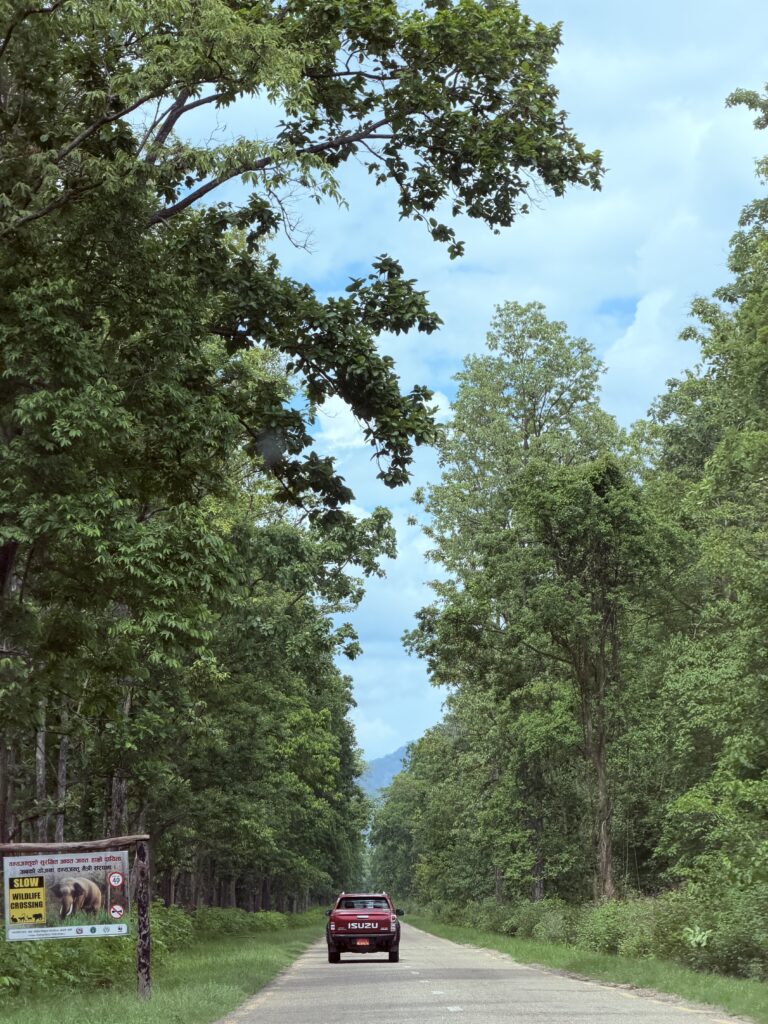
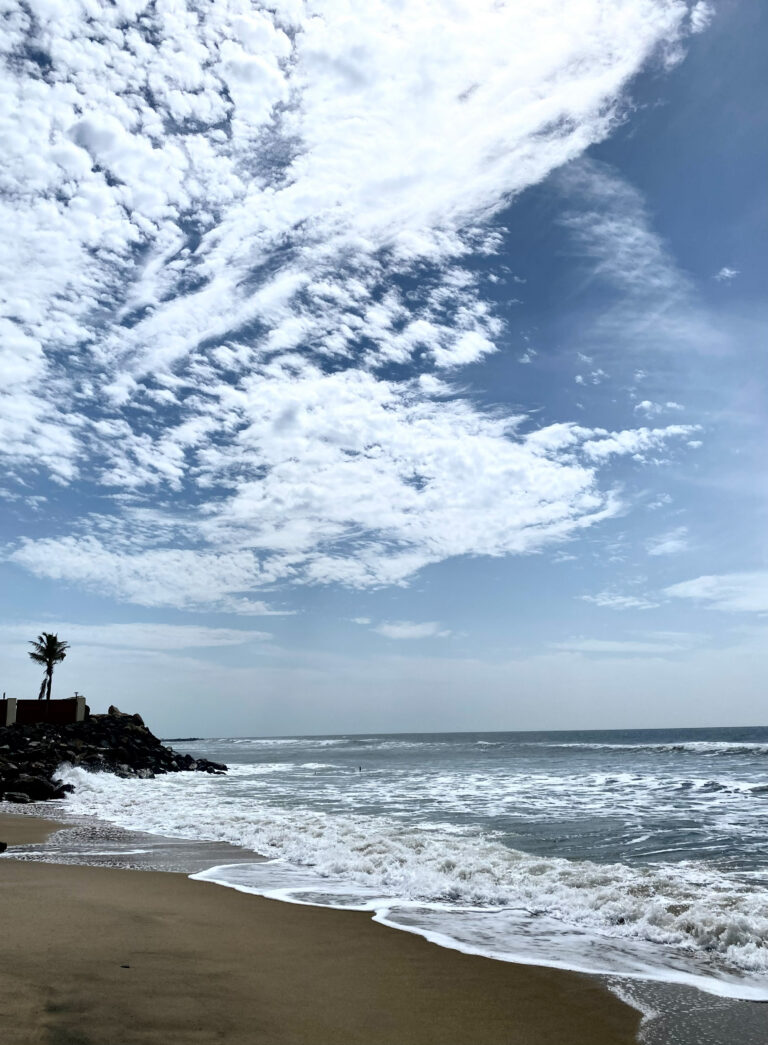
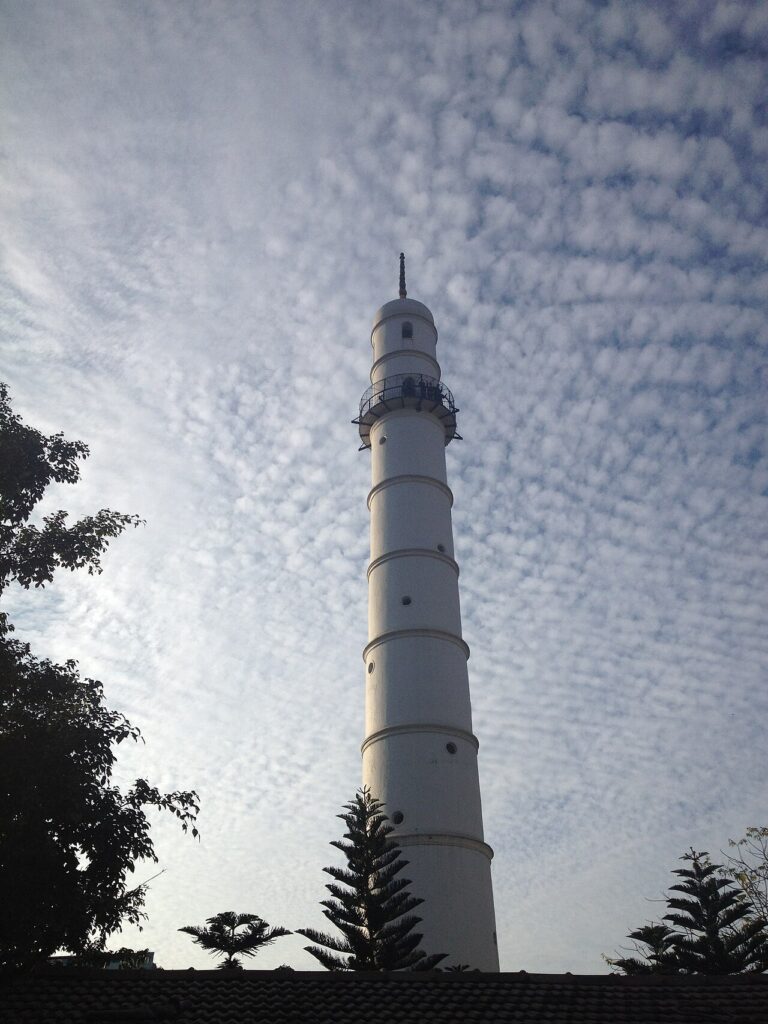
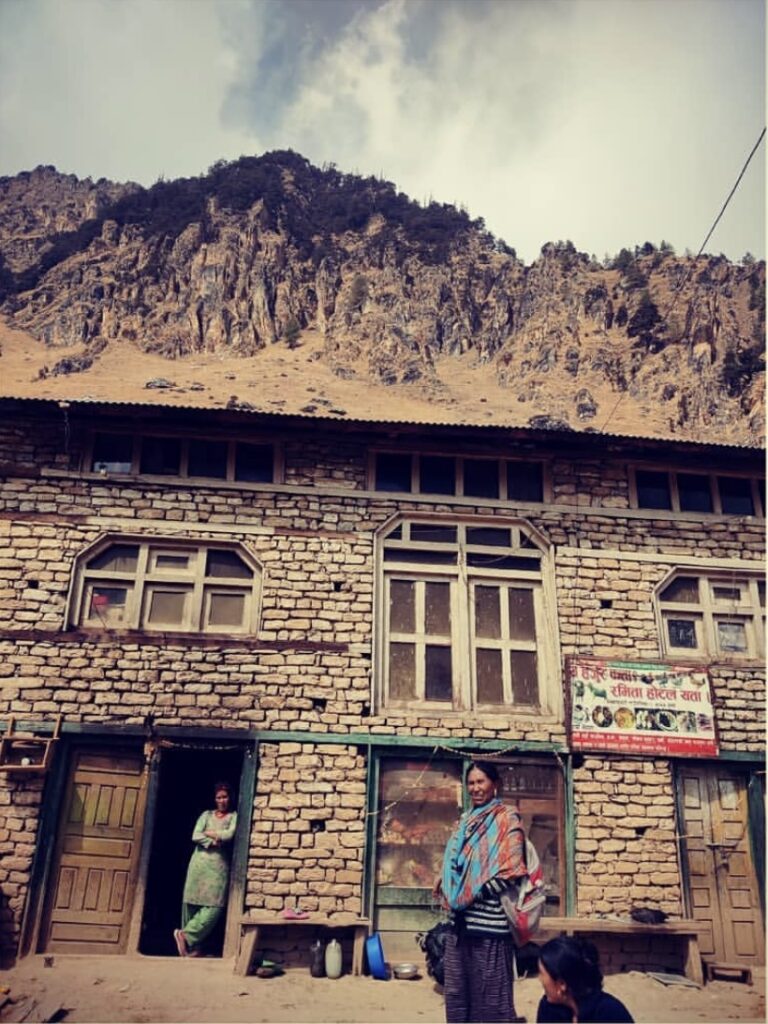
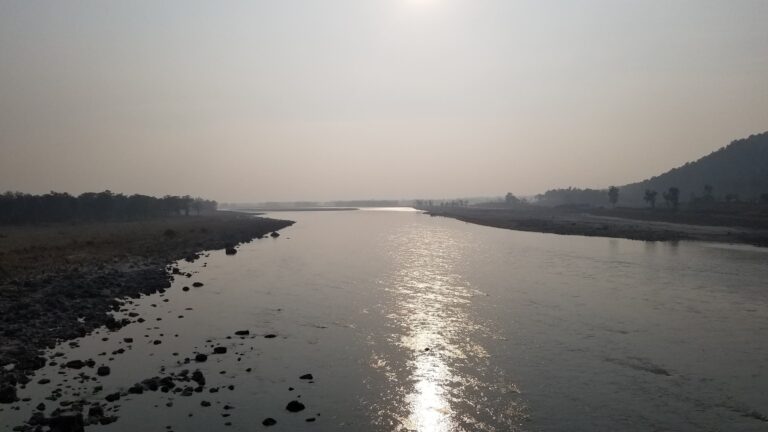
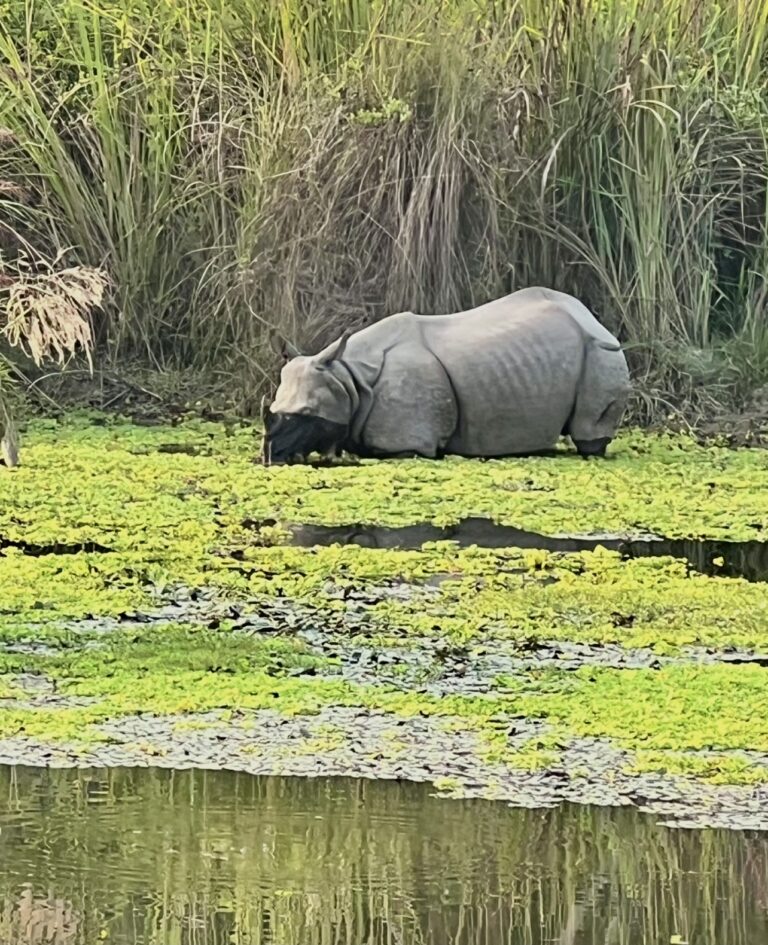
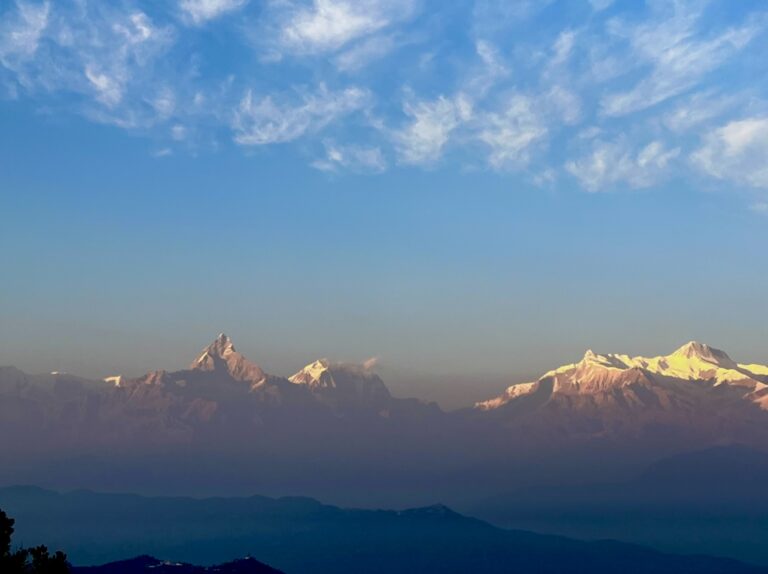
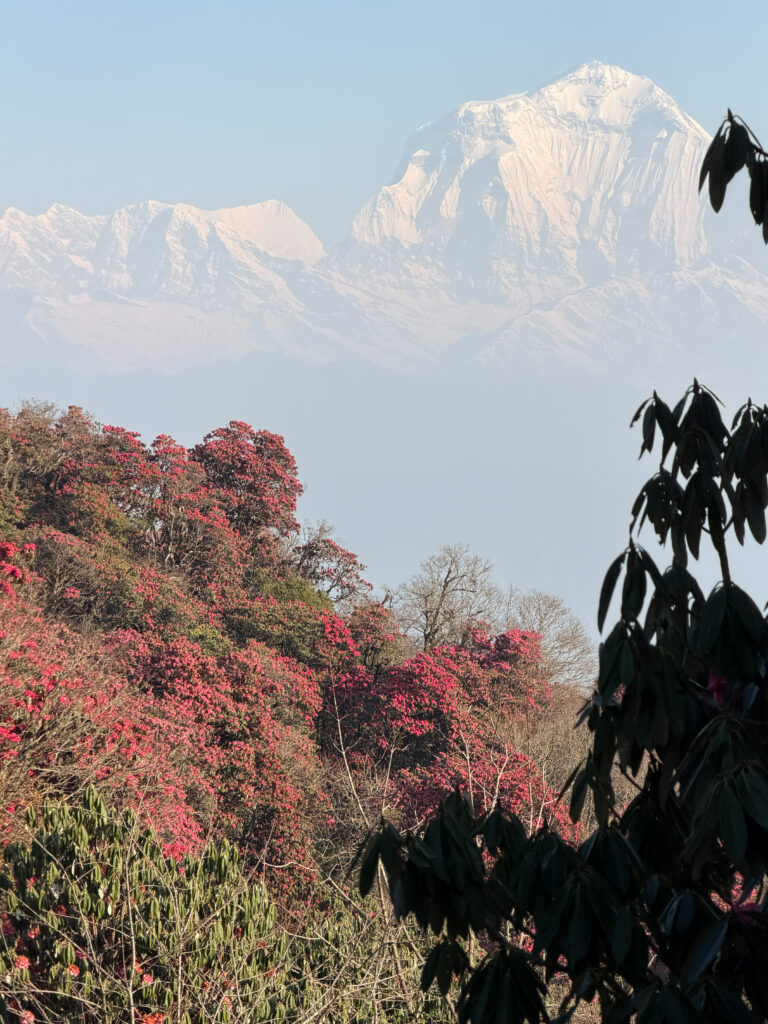
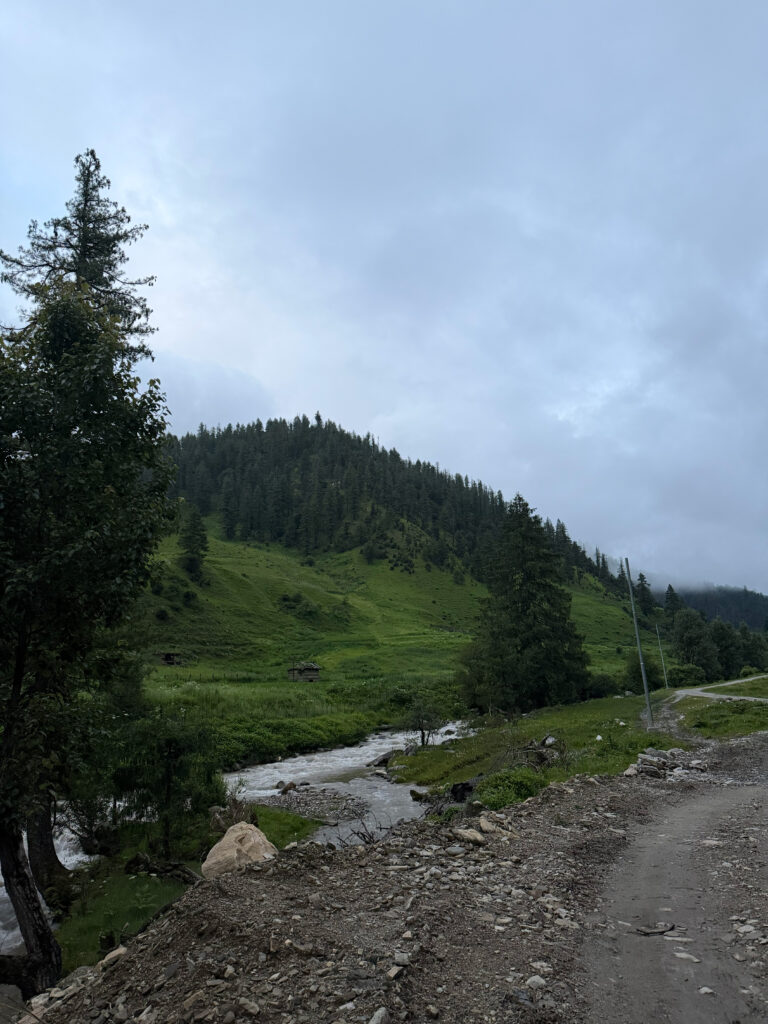
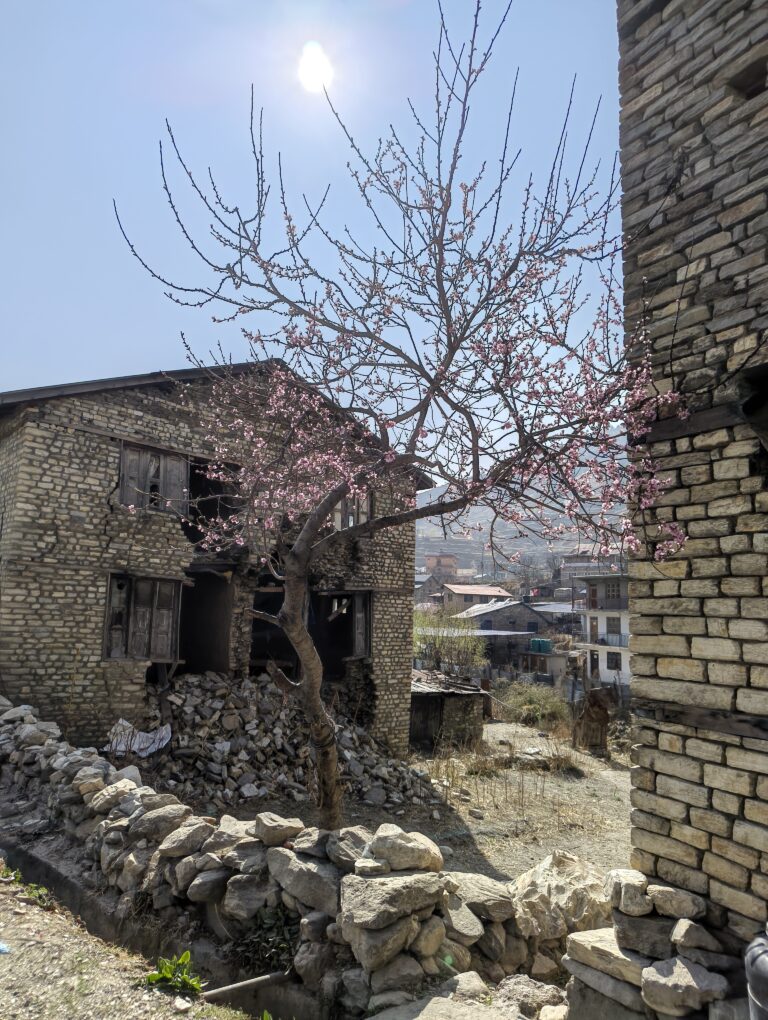
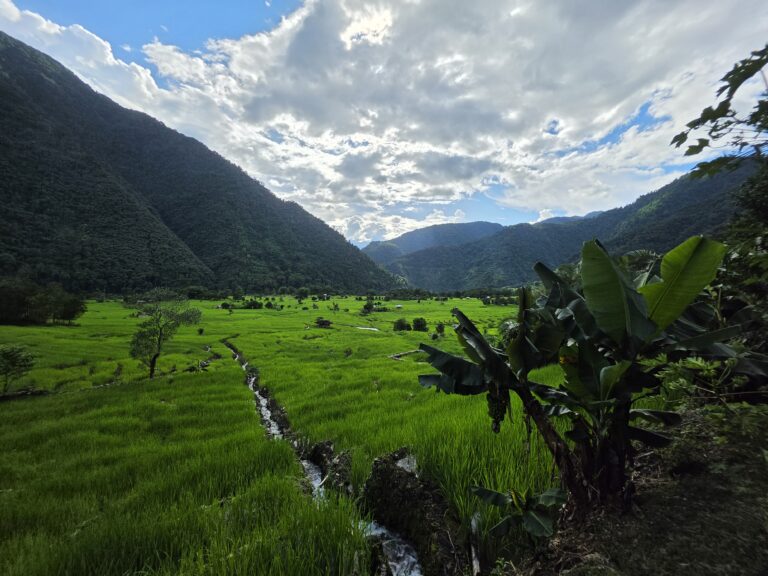
 Video COMPETITION – CONTESTANT 01
 Name: Kanchan Kumar Goyanka
 Affiliation: Resident , COMS-TH(Bharatpur)
 Caption:
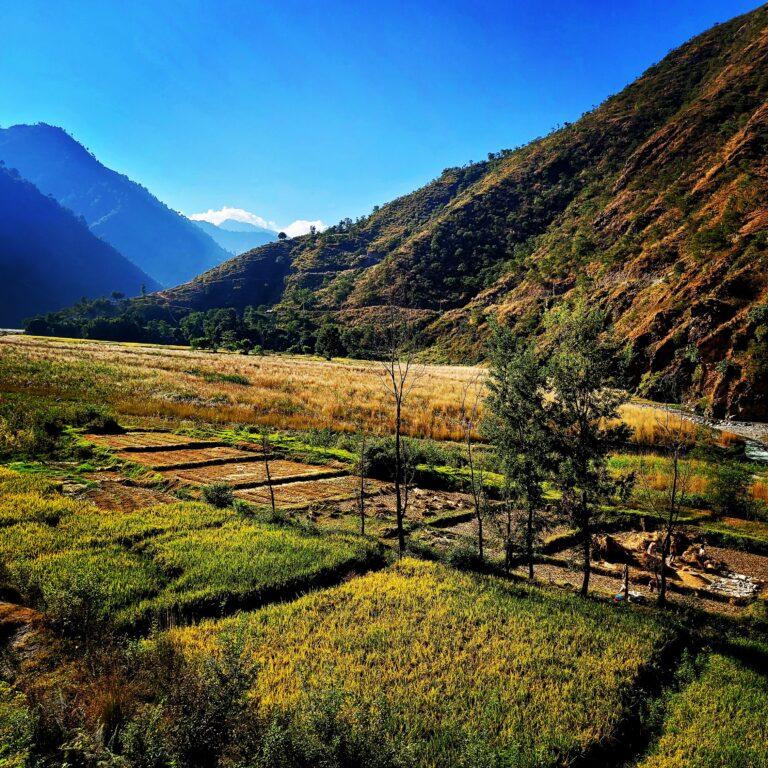
“A quiet clearing, a fading light — some moments don’t need filters, just presence.”
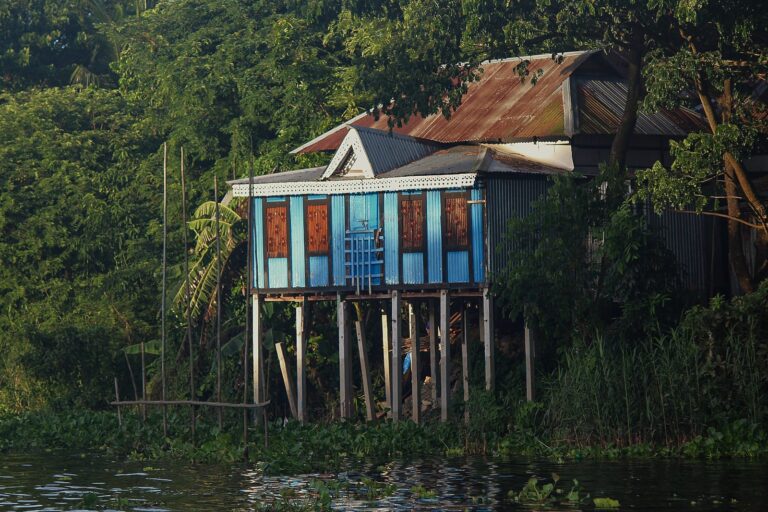
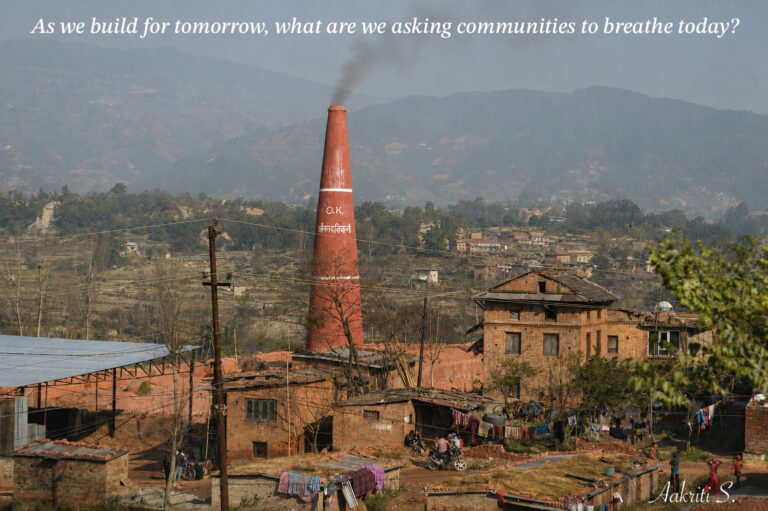
Video COMPETITION – CONTESTANT 02 Name: Kazi Mostafijur Rahman Affiliation: Project Coordinator, Implementation Team (SD-07), EBLICT Project, Bangladesh Computer Council (BCC) Caption:A glimpse of rural Bangladesh. Here, life moves with nature. A quiet pond, a small wooden boat, birds returning to the water, and homes standing beside the trees. For generations, these waters have been more than a landscape. They support life, livelihoods, food and everyday well-being. Yet this simple relationship is becoming increasingly fragile. A changing climate can change the water, the seasons, the health of communities, and the lives built around them. Still, rural communities continue to live, adapt and endure.
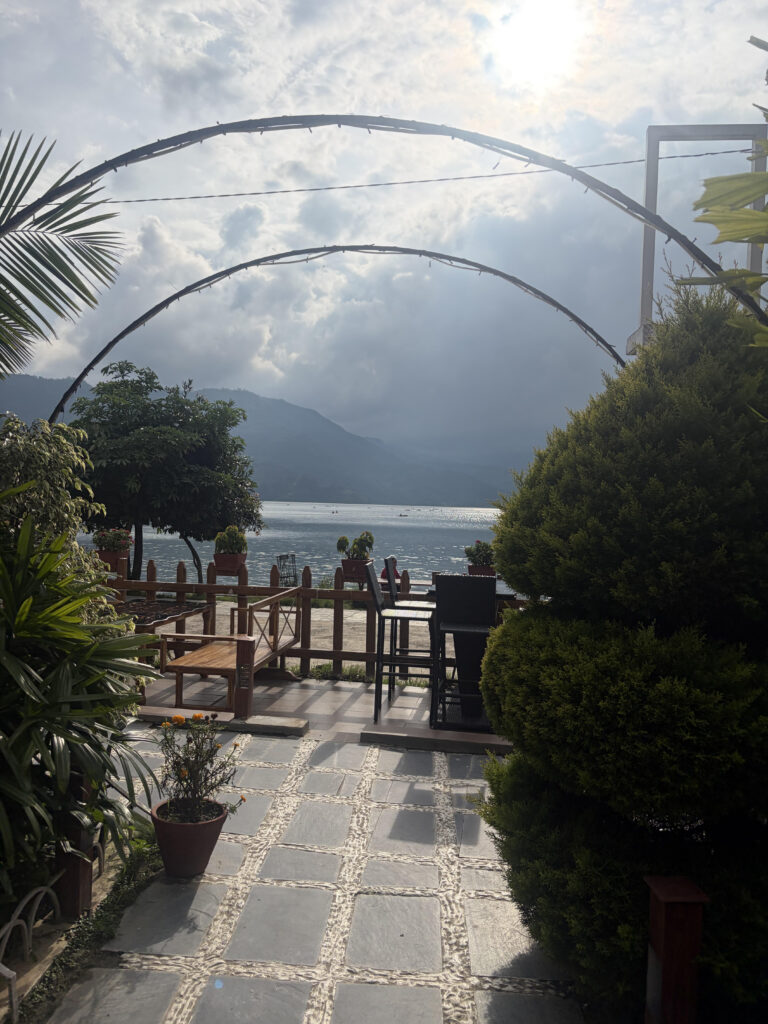
Video COMPETITION – CONTESTANT 03 Name: Dr. Nishana Shrestha Affiliation: Medical Officer, College of medical sciences, Kathmandu university Caption:The pure beauty of the Earth through thriving ecosystems and breathtaking landscapes is nature.
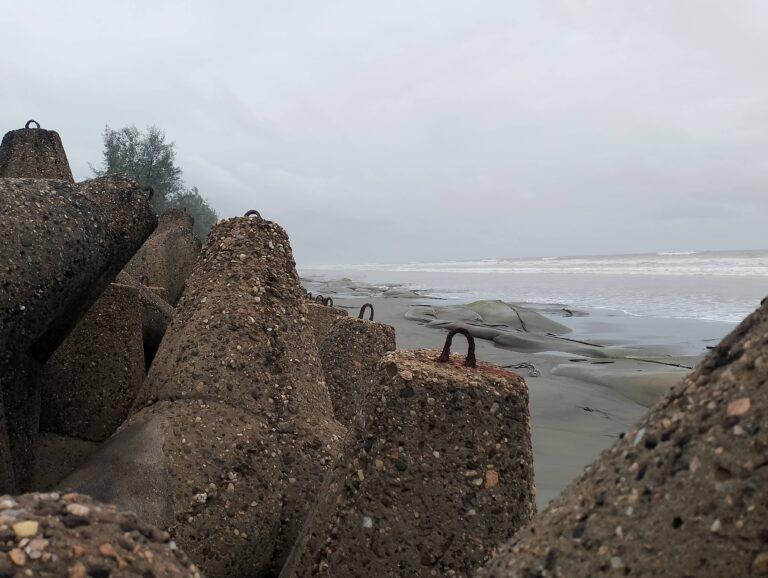
Video COMPETITION – CONTESTANT 04 Name: Shuvo Kumar Chowdury Affiliation: Program Officer, Center for Environmental Research and Sustainability Caption:Restless Waters: The Rising Force of the Bay
Video COMPETITION – CONTESTANT 05 Name: Dr Smriti Bhatta Affiliation: 2nd year Resident,Nobel Medical College Teaching Hospital Caption:A river of life, a witness to change: Both my entries are from prominent rivers of Nepal supporting the environment, the nature and wildlife and the communities that live around their banks. The changes in climate have caused a dramatic shift in the river’s ecosystem causing suffering to the health and livelihoods of the people. We must remember that a river can sustain life, but a changing climate can turn water into both scarcity and disaster. Yet we can also learn from a river which speaks of resilience, the strength in unity of a thousand small drops, and from it’s nature to adapt, innovate and endure.
Video: Rapti river
Video COMPETITION – CONTESTANT 5 Name: Pratima Timilsina Affiliation: MBBS student, BP Koirala Institute of Health SciencesCaption:
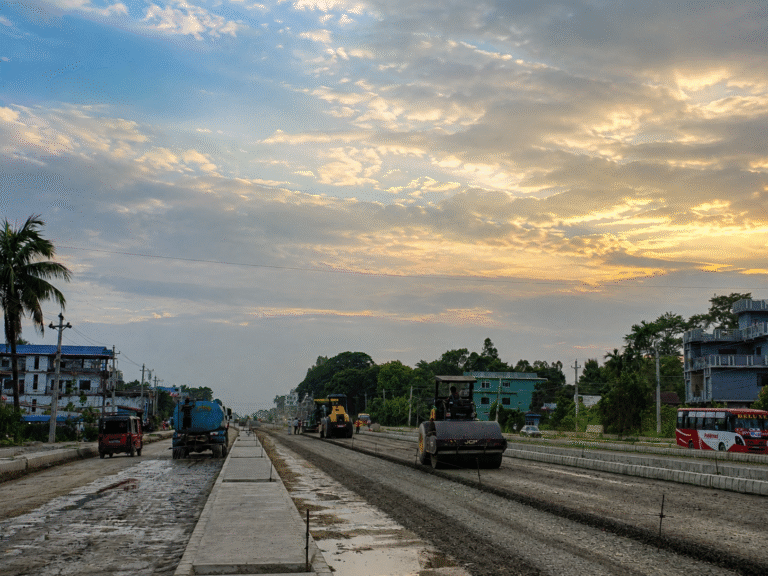
A reflection on how we often overlook everyday risks, believing we always have tomorrow—until a single moment reminds us that prevention begins before it’s too late.
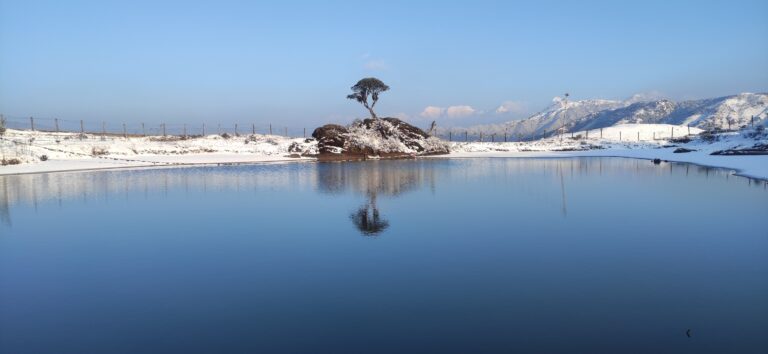
Video COMPETITION – CONTESTANT 7 Name: Dr Ricky Sah Affiliation: MBBS Intern Doctor, Kathmandu University School of Medical SciencesCaption:
Green Lake reflects both alpine beauty and the quiet evidence of a changing climate. Protecting these fragile Himalayan waters is essential for safeguarding downstream health and building long-term community resilience.
Video COMPETITION – CONTESTANT 8 Name: Dr. Merina Shrestha Affiliation: Associate Professor, Nepalgunj Medical College and Teaching HospitalCaption:
Preserving a piece of forest
Compiling structural road belt
Let flow the serine of water
And a bird sings, wild life roars
“ Let’s stop habitat loss, climate disruption and soil degradation”
A scenic clip from Banke, Bardia and Surkhet.
Video COMPETITION – CONTESTANT 9 Name: Dr.Anjana Rana Affiliation: Community physicianCaption:
Nature: My kind of Therapy