Research Methodology

Training Course Name: Research Methodology

Duration: March 2024-April 2024

Nodal officer: Dr. Samata Nepal

Mentors: Prof Ravi Mehrotra, Dr Abhinav Vaidya, Dr. Pranil Pradhan, Dr. Prajjwal Pyakurel, Dr. Jeevan Thapa

Total Participants: 47

Activity Done:

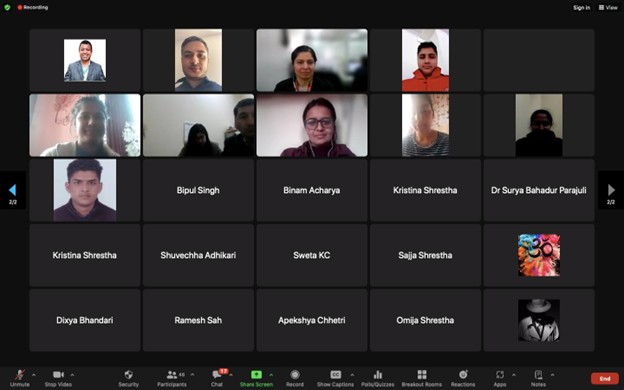
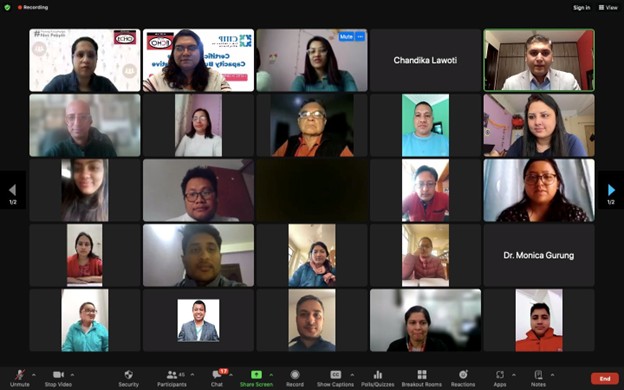
The Research Methodology online course was successfully launched in collaboration with ECHO India and the Centre for Health Innovation and Policy (CHIP) Foundation.

Sl. No.

Topic

Date/Time

Speakers

1.

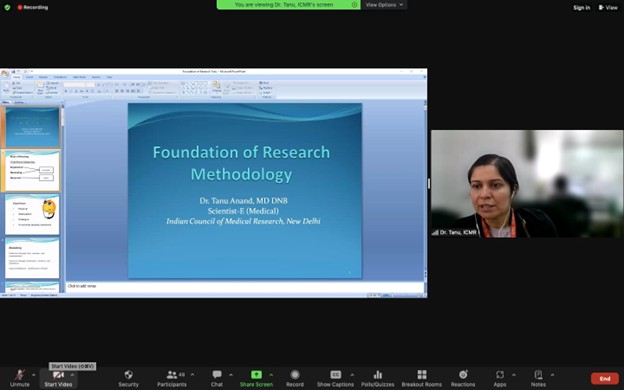
Foundations of Research: Meaning, Objectives, Concept of theory, empiricism, deductive and inductive theory

01st Mar 2024 (Friday) 2-3pm

Dr Tanu Anand (Sci-E, ICMR)

2.

Problem Identification and formulation including the development of the Research Question and Hypothesis

15th Mar 2024* (Friday) 2-3pm

Dr Amod Borle (MAMC)

3.

Research Design: Exploratory and Descriptive Research Design including the concept of Independent and dependent variables

22nd Mar 2024 (Friday) 2-3pm

Dr Surya Bahadur Parajuli (NESCOM)

4.

Data Analysis including sampling and sample size selection

5th Apr 2024* (Friday) 2-3pm

Dr Jitender Meena (NCI, AIIMS)

5.

Data Management, Interpretation, and outcome evaluation

12th Apr 2024 (Friday) 2-3pm

Dr Roshan Dhakal (NESCOM)

6.

Research Ethics and Techniques for Scientific Writing

19th Apr 2024

(Friday) 2-3pm

Dr Gurmeet Kaur (LHMC)


Pilot testing the “Preventing suicide: a community engagement toolkit”

Nepalese Society of Community Medicine (NESCOM) Member: Dr. Pranil Singh Pradhan

Role: Pilot Coordinator

In collaboration with: WHO Nepal

Project duration: June 10 to July 30, 2017

Area: Ward number 7, Chautara municipality, Sindhupalchok district


Activity Done

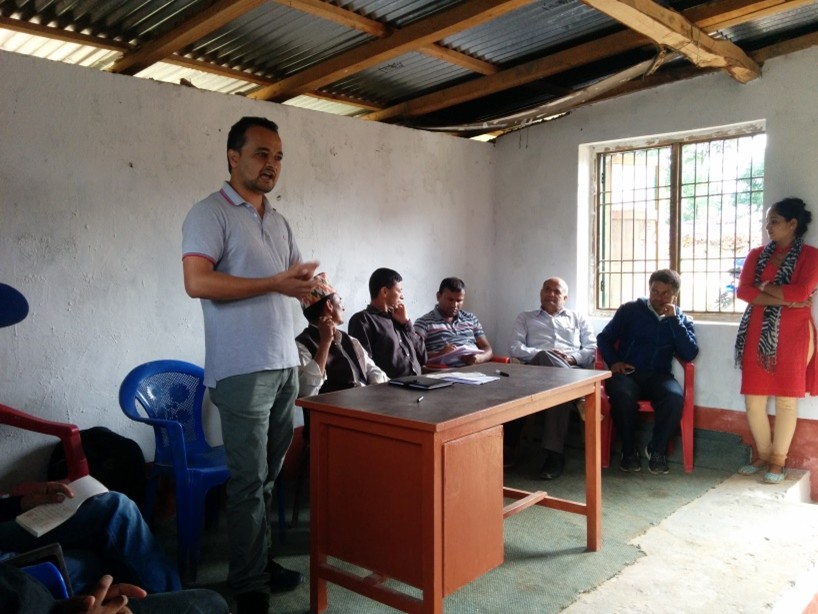
As part of the Project, a preparatory meeting was held with the Chair of the ward, local police officers, local health workers, members of the non-governmental organizations, and local leaders to explore the current burden of suicide in the community and the available services.  The participants were briefed on the community engagement toolkit, and queries regarding suicide were addressed.

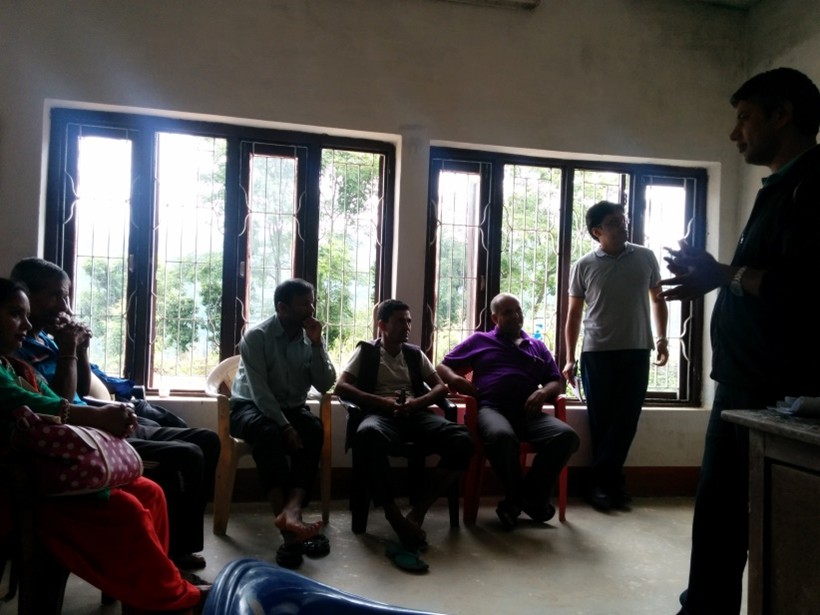
WHO Focal person for mental health Nepal addressing the first meeting
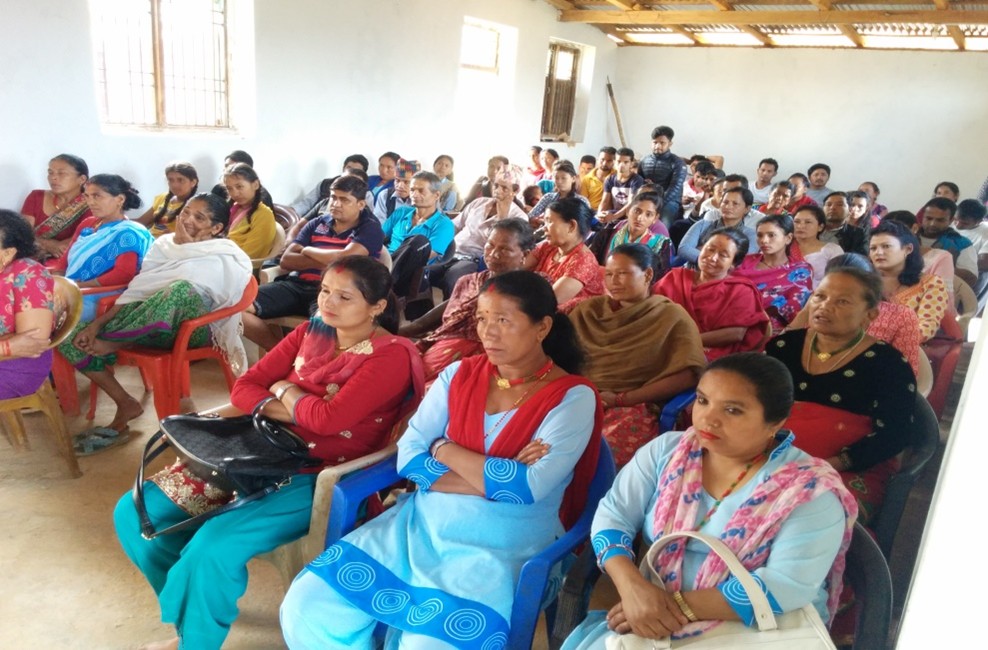
Audience during first meeting

Following the preparatory meeting, a focus group discussion (consisting mostly of school teachers, representatives from non-governmental organizations (NGO), local residents, female community health volunteers (FCHV), and health workers) was conducted to explore the perceptions and beliefs in the community about suicide and its prevention. Analysis was done and key issues were identified.

 Based on this information, a steering committee was formed in order to set up broad goals for suicide prevention and conduct a community and stakeholder analysis. One day orientation was provided to the steering committee on how to approach a person with suicidal behavior. The humanitarian version of the mental health gap (mHGAP) orientation tool was modified according to local context and used for an orientation session.  

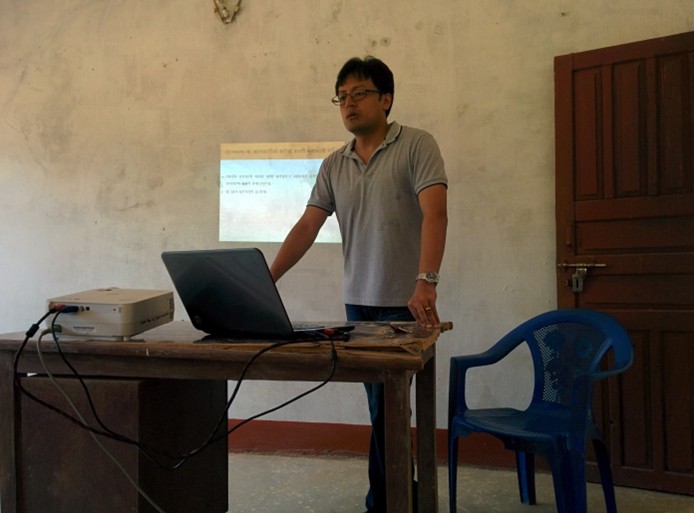
Pilot coordinator conducting orientation session

A community action plan for the prevention of suicide was created, and SMARTER goals were formulated. At the end, a second focus group
discussion was conducted to explore the enabling factors and barriers for the successful implementation of the community engagement toolkit.
The report was submitted to WHO Nepal.

Workshop with steering committee for creating community action plan